The Method
Coachbuilding Applied to Modern Restoration
Coachbuilding is the missing center
The body comes first because everything else depends on it
Most restorations focus on how a car looks when it leaves the shop. Paint, trim, and assembly often mark the finish line. What receives less attention is the body itself—how the structure supports the shape, and how that shape holds over time.
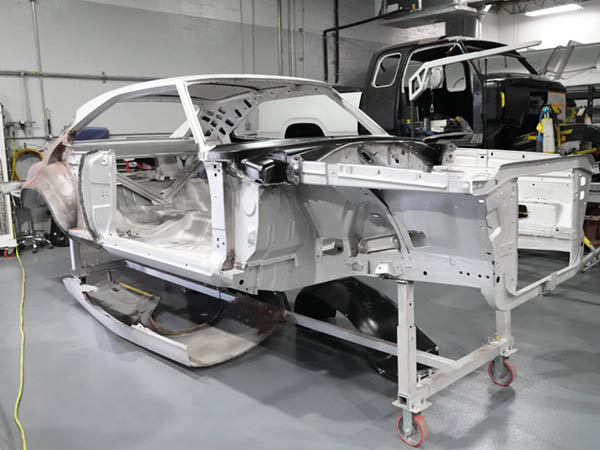
At our shop, coachbuilding principles still come first. The structure is corrected. Shape and form are established at the foundation. Only then does finish follow. Bodywork and paint rely on the body being accurate before those processes begin.
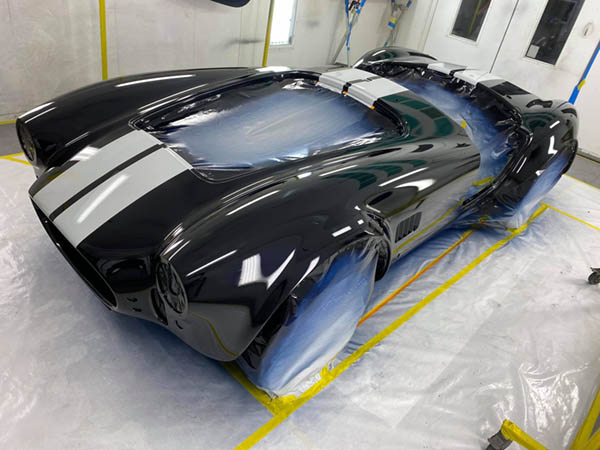
When that order is respected, the surface reveals accuracy instead of compensating for it. When form leads, every next step becomes alignment rather than correction.
01
Structure corrected first
Most restorations celebrate the finish line. Our method begins deeper in the body itself, correcting the structure that must support every visible surface.
02
Form established at the foundation
Contours, radii, and relationships are resolved in metal before surface work begins, so paint confirms shape instead of disguising its absence.
03
Finish follows accuracy
When the order is respected, every successive step becomes alignment rather than correction, and the result holds with greater integrity over time.
Restoring a Proven Standard
Coachbuilding was never artistic flair. It was discipline.
The original builders of these cars worked within defined standards so panels could be stamped, repeated, and assembled predictably. Curves transitioned in proportion. Radii related to one another. Structure supported shape.
Coachbuilding was not artistic flair. It was discipline. The body came first because everything else depended on it.
As these vehicles age, those same principles matter again. We apply them not as reinvention, but as a return to the order that made these cars feel right in the first place.
A Process Built for Better Outcomes
Establishing correct form in metal before surface work begins changes everything that follows.
Panels are separated at factory seams to address corrosion where it starts. Outer panels are corrected through controlled shaping, improving strength while reducing reliance on filler. Contours and gaps are set at the foundation and refined through surface preparation to guide and hold the eye.
Our work is grounded in traditional metal shaping and continues through ongoing study under master coachbuilder Fay Butler. The method is measured, repeatable, and deliberate.
The result is a body that supports itself—allowing finish to confirm accuracy rather than conceal compromise.
Raising the Standard
A beautiful finish is not the same thing as a body that will remain right.
Restoring a classic vehicle to like-new condition—and having it remain that way—requires more than surface beauty. Over time, certain patterns reveal whether the body was truly corrected beneath the finish.
We’ve seen these challenges firsthand:
- Rust reappearing at seams
- Subtle waves developing in sunlight
- Panel gaps that shift over time
- Excess filler used to establish shape
- Body lines that fade or wander
- Repaired seams that show through paint
At Kiddy’s, we’ve worked through these realities and set out to address them at their source. This approach doesn’t promise perfection. It reflects our commitment to elevating the discipline of restoration—giving us the best chance of delivering work that truly holds.