Form Is Strength, Not Appearance
Form is not how a vehicle looks at rest—form is how it holds itself.
Accurate geometry creates natural rigidity so panels resist denting and distortion without relying on filler or hidden reinforcement. Correct coachwork establishes strength within the metal, not on top of it.
Correct form means doors close with confidence, gaps remain stable, and paint reflects the design instead of hiding flaws. It creates the vehicle that sends goosebumps down your back when you see it.
WHAT FORM RESTORATION ENABLES
When geometry is restored accurately:
Refinishing reveals shape instead of compensating for it
The vehicle ages slowly and predictably
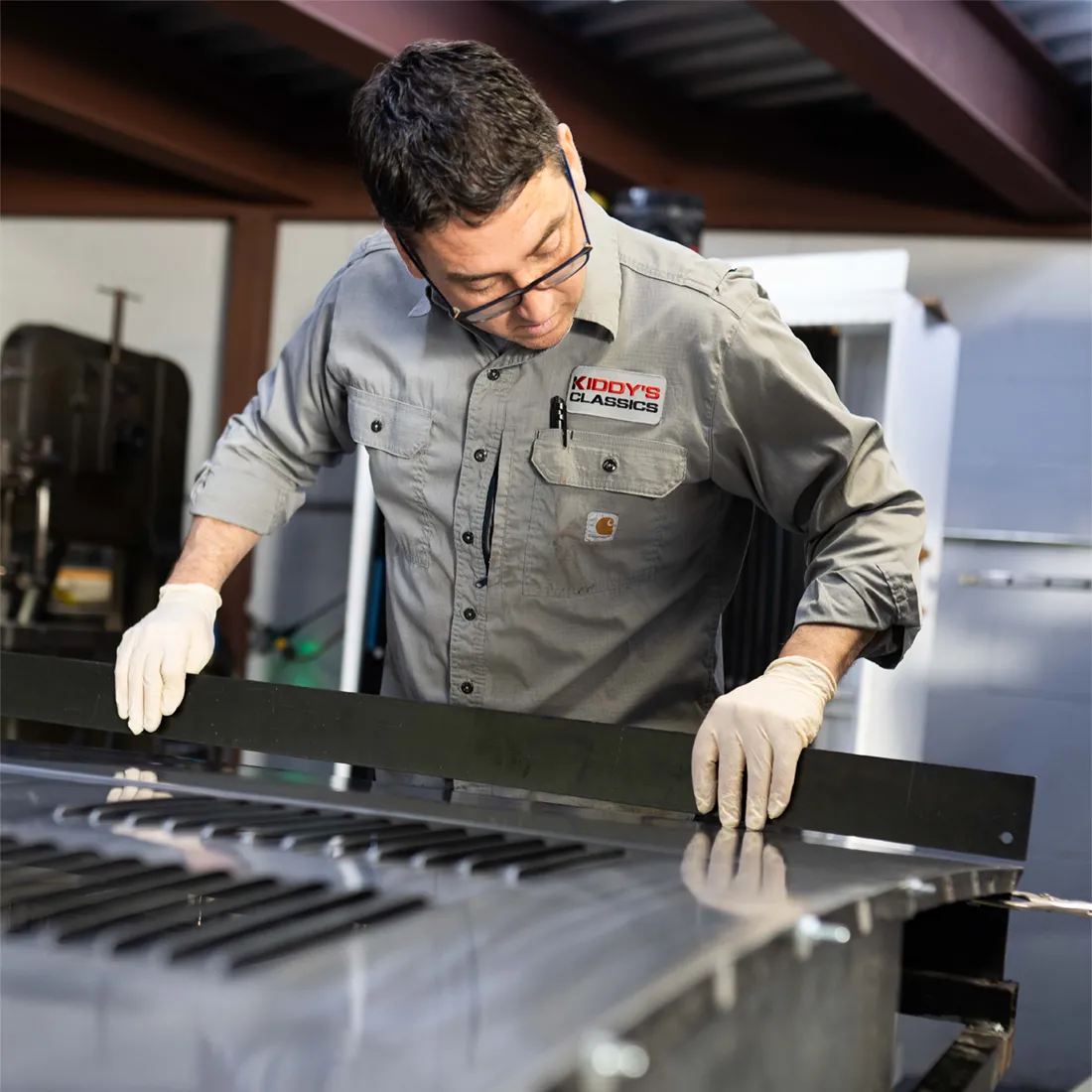
When Geometry Drifts, Surfaces Compensate
A panel can appear straight without being stable. However, it oilcans under pressure, flexes where it should hold firm, and depends on surface material to hide weakness. Paint cannot stabilize a panel that lacks correct form.
True coachwork removes the need for compensation. Form is not how a vehicle looks at rest.
Form is how it holds itself.
Light Reveals the Truth of Form
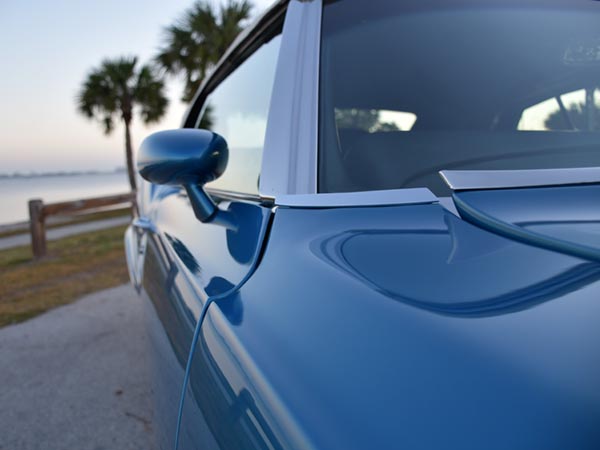
Designers shaped vehicles to manage transitions—where one radius becomes another, where highlights appear and disappear. When form is accurate, light moves smoothly across the body. When it isn’t, light exposes every compromise.
These transitions are what create a vehicle that feels right on the visceral level.
A Process Built for Better Outcomes
Faster Results, Less Material, Superior Outcomes
Our coachwork method establishes correct geometry at the start rather than correcting it at the surface. This sequence allows the work to move faster, use less material, and deliver superior results that remain stable over time.
Many shops shape the surface to fit the paint.
We shape the structure so paint can be honest.
Next Steps
Form restoration can be performed separately, but it assumes structure was already corrected properly.
Most clients choose Full Build to avoid the risk of phases not aligning.
Schedule Consultation